
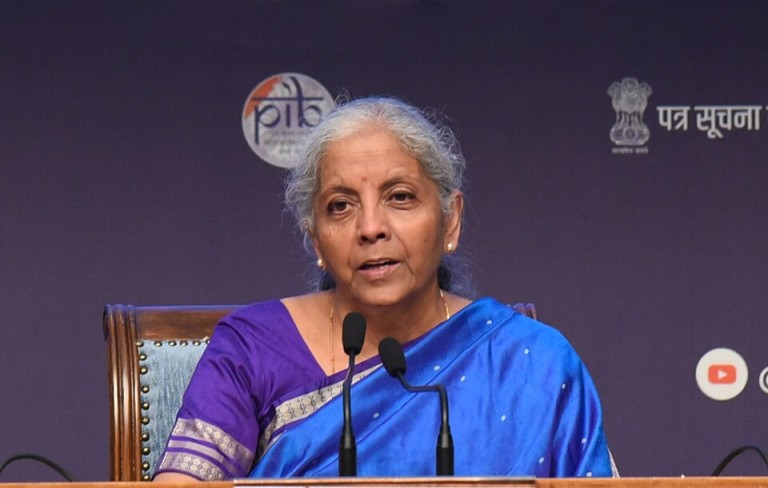
India’s Finance Minister, Nirmala Sitharaman, has assured that the government is vigilantly assessing the ramifications of the current crisis in West Asia on the nation’s economy. At the forefront of concerns are the impacts on fuel, fertiliser prices, and foreign exchange reserves, which are crucial for India’s economic stability. She addressed these issues during a ceremony commemorating the anniversary of the Small Industries Development Bank of India.
Sitharaman expressed particular concern over the rising costs of crude oil and fertilisers, which have become significant worries due to their soaring prices. She also noted the pressure exerted on the economy by the increasing cost of gold. However, she was quick to underline the resilience of India’s economic fundamentals, urging the public not to succumb to panic or indulge in fearmongering amid these global uncertainties.
Highlighting the external nature of most economic pressures, Sitharaman stressed the importance of maintaining public confidence through prudent policy decisions and clear communication. As part of the government’s response, she pointed to the recent reduction in excise duty on petrol and diesel, a measure expected to result in a revenue loss of approximately ₹1 lakh crore but deemed essential to alleviate consumer burdens.
The finance minister also addressed the issue of delayed payments affecting micro, small, and medium enterprises (MSMEs). She revealed that pending dues amounting to around ₹8.1 lakh crore are still unresolved and urged public sector enterprises to adhere to the stipulated 45-day period for settling these payments. This call comes amid broader economic tensions exacerbated by disruptions in the import of petroleum products and fertilisers, particularly due to conflicts impacting the strategic Strait of Hormuz shipping route.
Amid these challenges, fuel prices have seen a sharp uptick, with state-owned oil companies raising petrol and diesel prices significantly, contributing to a more than ₹7 per litre increase since mid-May. In light of these developments, Prime Minister Narendra Modi had previously advised citizens to exercise caution in their spending habits and to avoid unnecessary purchases as global economic uncertainties tied to the West Asia conflict continue to unfold.