
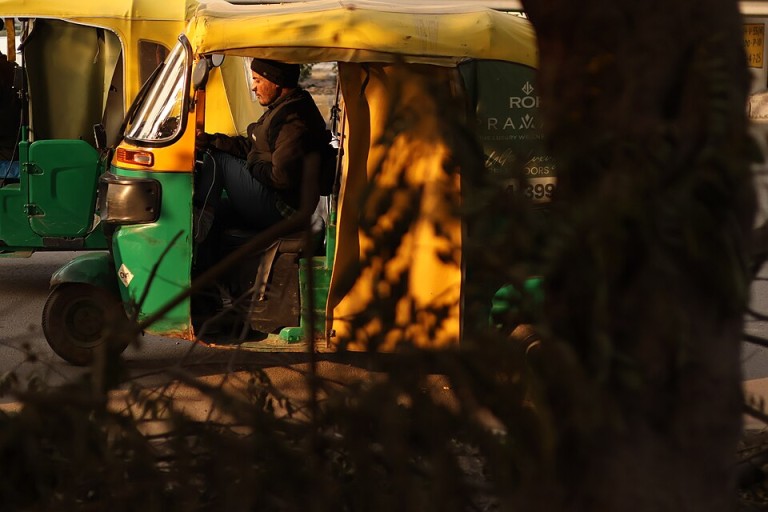
In a bold move to combat alarming pollution levels, Delhi’s administration has unveiled a strategy to phase out petrol-driven scooters, motorcycles, and autorickshaws. This initiative is a cornerstone of the city’s broader ambition to slash emissions and enhance air quality. The new policy sets an ambitious target, aiming for a 30% electrification of the city’s vehicle fleet by the year 2030. This timeline includes the rollout of electric three-wheelers and small commercial vehicles starting in 2027, with electric scooters and motorcycles to follow in 2028.
Transportation emissions stand as a substantial contributor to Delhi’s notorious pollution woes, with vehicles significantly adding to the harmful pollutants that choke the city, particularly during the winter’s harsh smog conditions. Environmental advocates have expressed strong support for the government’s plan, emphasizing that transitioning to electric two- and three-wheelers can make a meaningful dent in emissions and consequently bolster public health. To facilitate this shift, the government has committed to installing over 30,000 public charging points across the city.
Despite the optimism from environmental circles, the proposed changes have sparked apprehension among auto-rickshaw drivers. Concerns have been raised about the practicality of charging times, the financial burden of vehicle costs and maintenance, and the potential impact on their income during this transitional period. Some experts have also highlighted the need for the government to prioritize the expansion of clean public transport systems and to enhance last-mile connectivity, which remain critical components of a comprehensive approach to reducing emissions.
To encourage the adoption of electric vehicles, the policy includes incentives such as tax benefits for buyers. However, critics have pointed out that the timeline for these changes might be overly ambitious, leaving inadequate time for drivers, manufacturers, and consumers to adjust. The challenge lies in ensuring a smooth transition that addresses the concerns of all stakeholders while keeping the momentum towards a cleaner, more sustainable urban environment.