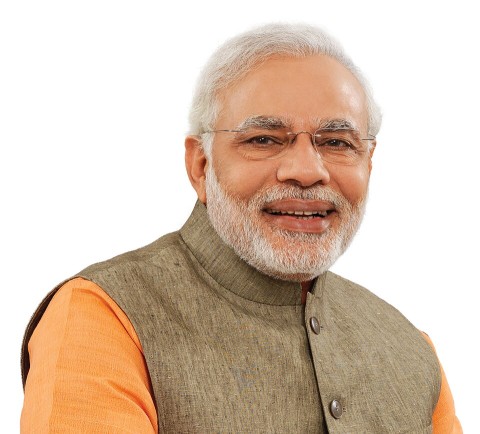
In response to mounting economic challenges stemming from the ongoing US-Iran conflict, India’s Prime Minister Narendra Modi recently convened a critical meeting with Union ministers, emphasizing the need for governance reforms, energy security, and the nation’s long-term development strategy. This high-level discussion, which stretched over four hours, scrutinized the global energy landscape, particularly focusing on the potential repercussions of disruptions in the Strait of Hormuz, a vital artery for the world’s oil supply.
Modi directed ministers to expedite decision-making processes and reduce bureaucratic roadblocks. Highlighting the importance of efficiency, he called for streamlined systems that would enhance citizens’ “ease of living,” urging that government files should not be bogged down by procedural delays. Additionally, the Prime Minister stressed the urgency of accelerating the implementation of central government initiatives, particularly in states where project progress has been sluggish.
The ongoing tensions in West Asia have raised concerns about the stability of global energy supplies, prompting Modi to instruct ministers to brace for potential disruptions in the import of crude oil, gas, and fertilizers. Given India’s significant reliance on energy shipments traversing the Strait of Hormuz, this issue poses a considerable threat to the nation’s economic stability. In response, Modi advocated for the expansion of alternative energy sources, including renewables and biogas, to lessen India’s dependence on imported fuels. With global crude prices climbing, the Indian government is also enforcing austerity measures and fiscal prudence to mitigate the economic fallout from this energy uncertainty.
Emphasizing the importance of long-term development, Modi reaffirmed the “Viksit Bharat 2047” vision, which aims to transform India into a developed nation by 2047, as a national mission rather than a mere slogan. He called on ministers to concentrate on next-generation reforms and enhance the delivery of welfare programs to ensure maximum benefit for citizens. The meeting featured presentations by key figures such as External Affairs Minister S. Jaishankar, Cabinet Secretary T. V. Somanathan, and NITI Aayog member Rajiv Gauba, who discussed governance, foreign policy, and the execution of flagship schemes.
This crucial assembly unfolded against a backdrop of increasing political pressure due to inflation, soaring fuel prices, and the broader economic impacts of instability in West Asia, highlighting the urgent need for strategic planning and decisive action to navigate these complex challenges.