
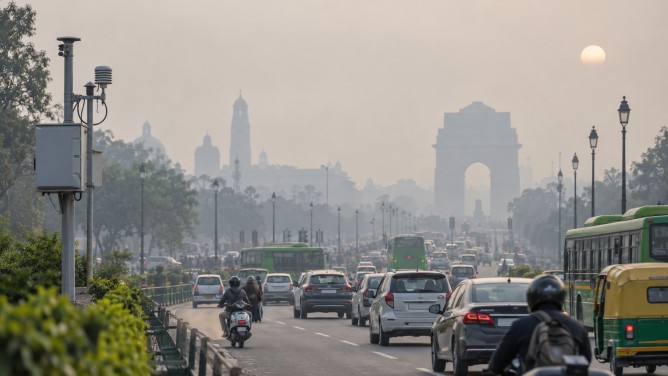
Air quality in Delhi-NCR has worsened, prompting authorities to implement Stage I of the Graded Response Action Plan (GRAP) in a bid to curb further pollution. This decision follows Delhi recording an Air Quality Index (AQI) of 233, placing it in the poor category, which can cause breathing discomfort especially for individuals with respiratory issues.
GRAP Stage I is activated when the AQI is between 201 and 300 and focuses on pollution reduction at its source through preventive measures and stricter monitoring. Key actions include enforcing dust control at construction sites, banning the open burning of waste, encouraging the use of cleaner cooking fuels in commercial eateries, and regulating the use of diesel generator sets. Additionally, authorities will keep an eye on visibly polluting vehicles and enforce traffic management strategies, such as minimizing congestion and encouraging motorists to switch off engines at red lights.
Industrial pollution is also targeted under GRAP Stage I, with specific emission standards and enforcement measures set for polluting industries and power plants. Residents are urged to maintain their vehicles, reduce unnecessary idling, use public transport when possible, and report any pollution-related complaints through designated platforms.
The implementation of these measures comes as Delhi faces poor air quality conditions, with a current AQI reading of 233. The city experienced a minimum temperature of 18°C, and daytime temperatures were expected to reach around 31°C. Authorities will continue to monitor pollution levels closely and enforce preventive measures to prevent further deterioration of air quality.