
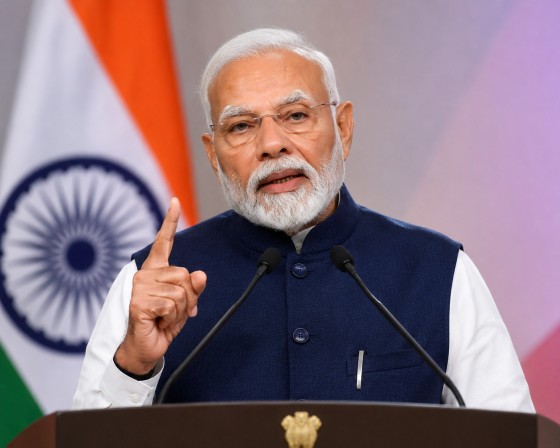
In response to ongoing student protests and concerns over examination paper leaks, Indian Prime Minister Narendra Modi has unveiled plans to establish fast-track courts. These courts aim to expedite action against those implicated in such leaks, with Modi emphasizing that no one threatening the future of the nation’s youth will be exempt from justice.
Through a social media statement, Modi communicated that the government has instructed officials to implement all necessary steps to safeguard students’ interests. The establishment of fast-track courts is part of a wider initiative to ensure more rapid and severe consequences for individuals involved in examination malpractice.
The announcement follows escalating student protests in New Delhi, where demonstrators have been calling for accountability in light of repeated examination irregularities, including paper leaks. The protests have also included demands for the education minister’s resignation. Tensions rose earlier this week during clashes between protesters and police near the Indian Parliament, resulting in several injuries. The movement has since broadened its focus to include other pressing issues like unemployment and the lack of opportunities for the youth.
Confidence in India’s examination system has been undermined by a series of incidents, notably the leak of a national medical entrance exam paper, which compelled millions of candidates to retake the test. Another significant controversy arose from the evaluation of high school examinations, further intensifying criticism of the education system’s integrity.
The introduction of the new fast-track courts is seen by the government as a critical measure to enhance accountability and rebuild public trust in the examination process. By addressing these concerns swiftly, authorities hope to reassure students and restore faith in the academic framework.