
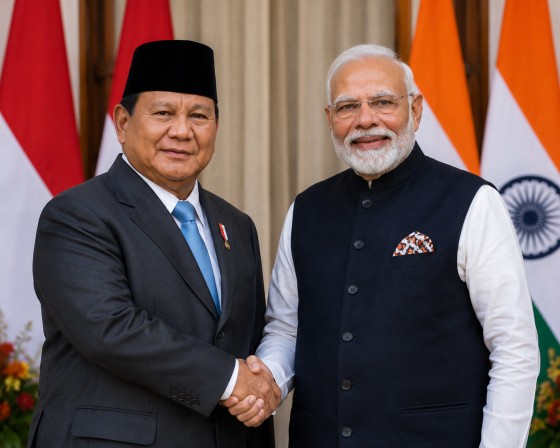
Next week, Indian Prime Minister Narendra Modi is set to embark on a visit to Indonesia, where he will engage in discussions with President Prabowo Subianto. A primary focus of their meeting is expected to be on strengthening cooperation in the realm of critical minerals. Indian Ambassador Sandeep Chakravorty has indicated that the two nations are currently working on various memorandums of understanding covering important sectors such as critical minerals, healthcare, pharmaceuticals, education, and space. While some agreements might be finalized during Modi’s visit, several others are still under negotiation.
India’s interest in closer collaboration with Indonesia stems from its intent to bolster critical mineral processing and manufacturing capabilities. The envisioned partnership aims at setting up production facilities within Indonesia, ensuring a steady supply of these minerals for the Indian market as well as for global exports. As part of these discussions, potential joint ventures with Indonesian partners are also on the table.
Indonesia holds a strategic position as the world’s largest nickel producer, making it an attractive partner for countries aiming to secure reliable supplies of critical minerals. These minerals are essential for the production of electric vehicles, batteries, and other advanced technologies. The Indonesian government mandates that nickel be processed domestically before export, a move that encourages investment in local downstream industries.
This upcoming visit is illustrative of India’s broader strategy to fortify its supply chains for critical minerals and lessen its reliance on external sources. By expanding economic ties with Indonesia, India is looking to ensure a more stable and diversified supply of essential resources.