
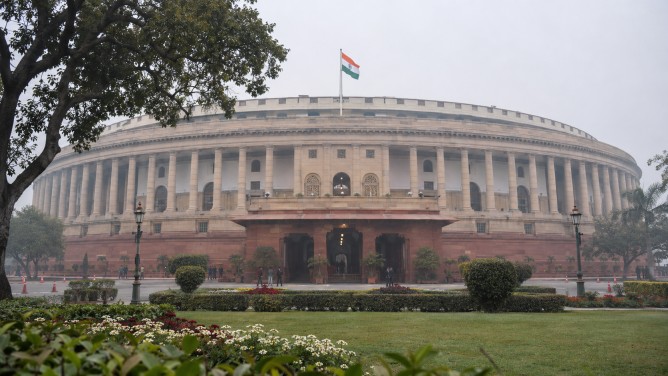
As discussions linger over the scheduling and nature of India’s upcoming winter parliamentary session, the government has yet to clarify its plans, leaving the public and opposition in anticipation. The Monsoon Session concluded on August 13 but has not been formally prorogued, prompting criticism from opposition leaders.
Congress leader Jairam Ramesh has voiced concerns about the 88-day lapse since the session’s adjournment without prorogation, questioning the delay in the formal closure. Congress president Mallikarjun Kharge echoed these concerns in a letter to Prime Minister Narendra Modi, seeking clarity on the matter.
The delay has sparked speculation about the government’s legislative intentions, particularly regarding proposed bills on women’s reservation and the delimitation of parliamentary constituencies. Under Article 85 of the Indian Constitution, the President is responsible for summoning and proroguing Parliament, with the stipulation that no more than six months can elapse between two sessions.
Government sources suggest that a winter session may still occur in December, though it remains uncertain whether it will be a regular session or an extension of the Monsoon Session through a special sitting. This uncertainty has led to further suspicion among opposition leaders, who suspect the delay may be related to the contentious delimitation legislation. Jairam Ramesh has accused the government of sidestepping an all-party discussion on the issue and called for transparency before any related bills are introduced.
On the other side, an NDA leader has attempted to dispel rumors of the session’s cancellation, assuring that Parliament would convene in December. As the situation unfolds, both the opposition and the public await the government’s decision on how it plans to proceed with the legislative agenda.