
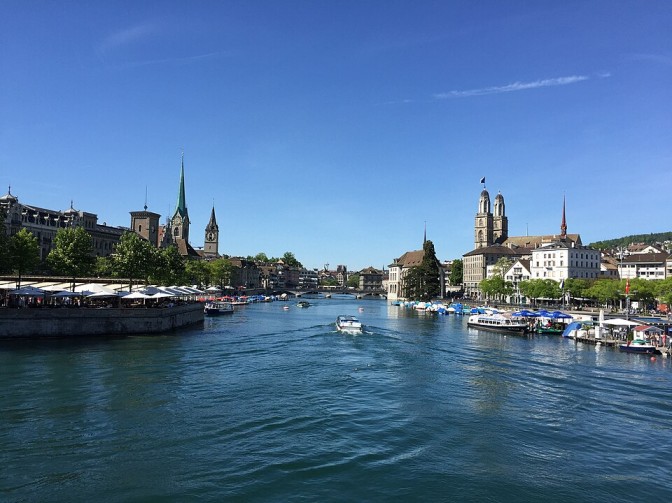
While Europe’s well-trodden art capitals often steal the limelight, several other cities offer equally captivating cultural experiences minus the bustling crowds. These cities present a harmonious blend of history, creativity, and world-class museums, inviting travelers to explore beyond the usual tourist paths. Zurich, for instance, boasts a vibrant art scene with the renowned Kunsthaus Zürich and a rapidly growing gallery district. This Swiss city seamlessly merges classic artistry with contemporary expressions, extending its creative pulse into transformed industrial spaces that now serve as cultural hubs.
In France, Lille captivates art enthusiasts with its impressive collections at the Palais des Beaux-Arts. The city also embraces modernity through spaces like LaM, which features both modern art and serene sculpture gardens. The charm of Lille is further enhanced by nearby towns that offer museum experiences in unusual, yet intriguing, locations, adding layers to the region’s cultural allure.
Warsaw provides a compelling juxtaposition of rich history and an evolving contemporary art scene. The city’s artistic landscape is marked by prominent institutions such as MSN Warsaw and the Zachęta Gallery, which together highlight Poland’s commitment to modern creativity while honoring its historical legacy. This balance of the old and the new is central to Warsaw’s cultural identity.
Completing this cultural journey are Verona and Oslo, each offering a distinct artistic narrative. Verona enchants with its Renaissance masterpieces, while Oslo showcases the dynamic realm of Nordic art. These cities exemplify the diverse cultural wealth that Europe holds, extending far beyond its most celebrated capitals. Together, they invite art lovers to discover a different side of Europe’s artistic heritage, rich in depth and diversity.